Steinbomer Architecture & Interiors
  • Portfolio
    • Commercial
    • Residential
    • Interior Design
  • Practice
  • Process
  • About Us
    • Testimonials
    • Blog
    • Areas We Serve
  • Contact
  • Menu Menu

Commercial Interior Design Trends for 2026 That Boost ROI

If you own or manage a commercial building in Austin, design isn’t just about good looks. It’s a lever for attracting tenants, reducing operating costs, and keeping people in your space longer. The smartest investments follow clear signals in the market, which is why understanding the most impactful commercial interior design trends can help you prioritize what pays back in 2026 and beyond.
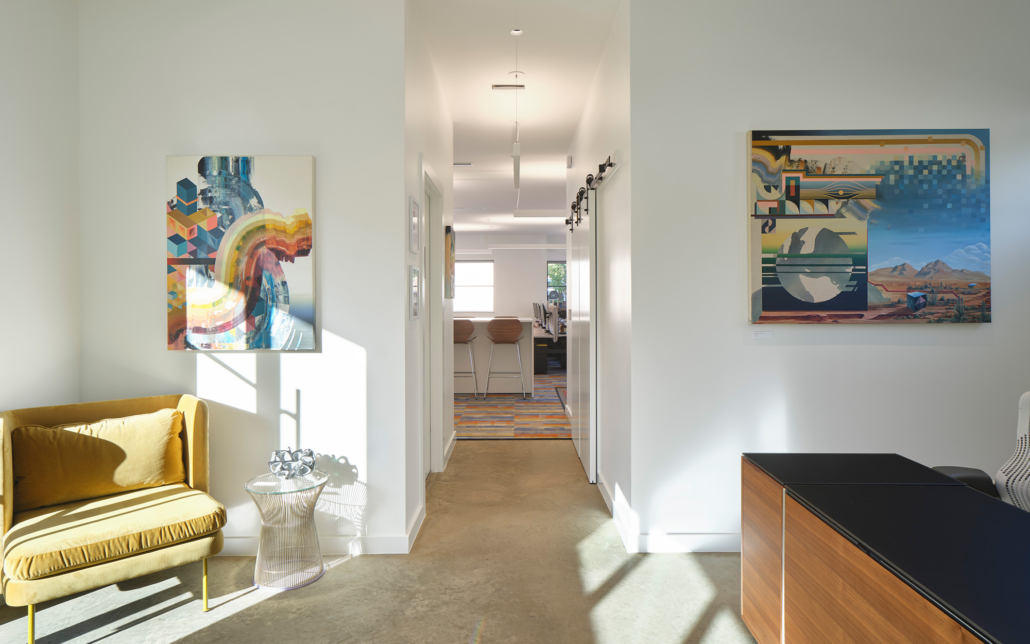
At Studio Steinbomer, we’ve spent more than 35 years helping Central Texas owners translate brand, culture, and performance goals into spaces that work. Below, we break down the trends that matter, why they’re emerging, and how to apply them with an Austin-first lens.

The Market Context: Strategy Matters More When Growth Slows

Design decisions land in a real market, not a vacuum. The AIA’s latest Consensus Construction Forecast expects nonresidential spending growth to stay modest in 2025 and 2026, with gains near 2 to 3 percent. That means careful prioritization and smarter, data-driven design choices become more important for achieving returns.

In Austin, office indicators look mixed but not stagnant. Q2 2025 saw negative net absorption, yet more than 120 tenants were actively seeking nearly 4 million square feet, and high-quality projects are still moving. Translation: owners who deliver the right experience can still win.

2026 Commercial Interior Design Trends With Real ROI

In 2026, focus on moves that look great and perform on the spreadsheet. The themes below pair user experience upgrades with measurable returns, from higher utilization and longer dwell time to lower energy intensity and faster lease-up. We zero in on what Austin owners can phase without disruption, so these commercial interior design trends translate into real gains in NOI rather than one-off refreshes that fade by next year.

1) Hybrid-Ready, “Just-Right” Footprints

Companies aren’t simply shrinking. They’re optimizing for peaks and valleys in attendance, which changes how space should perform day to day. The “Goldilocks footprint” aims for a balance of collaboration, quiet focus, and agility so you aren’t paying for rooms that sit empty. Workspace experts highlight flexible, human-centric layouts that make every square foot work harder.

In Central Texas, that often means rethinking the core. We’re seeing more divisible meeting suites, better acoustics, and furniture systems that switch modes in minutes. This shift aligns with broader data showing portfolio optimization and utilization have become top priorities for corporate real estate leaders.

2) Experience Over Square Footage

Hybrid work changed commutes and expectations. People will leave the house for a workplace that feels intentional, connected, and energizing. Thoughtful sensory layers, biophilic touches, authentic local art, and amenity-rich lobbies bring hospitality cues into offices. Even hotels are becoming “third places” for remote work, which shows how much experience design influences where people choose to spend time.

For Austin properties, lean into neighborhood identity. In the Domain or the Central Business District/Downtown, localized materials, art programs, and outdoor-to-indoor transitions can create a sense of place that raises perceived value and dwell time.

3) Wellness, Neuro-Inclusive, and Multigenerational Design

Employee well-being is a competitive advantage, and it shows up in planning: daylight access, quiet rooms for recovery, varied posture options, and intuitive wayfinding. The latest industry outlook also flags neuro-inclusive design and smart technology integration as rising priorities, which supports both equity and performance.

Neuro-inclusive design, in particular, is gaining traction, not as a trend label, but as a response to real issues like distraction, acoustic fatigue, and visual overload. Layered lighting, adjustable acoustics, and clear spatial hierarchy are relatively simple interventions that can significantly improve comfort and productivity without major construction.

4) Sustainability That Cuts Costs

Owners aren’t adopting greener systems only for ESG points. They’re doing it because energy, maintenance, and water savings compound. Daylight harvesting, high-efficiency HVAC, smart controls, and durable, region-appropriate finishes protect NOI. With overall spending growth slowing, these choices help insulate projects from future volatility while building long-term value.

5) Austin’s Sublease and Startup Story

A notable 2025 Austin storyline is the stabilization of sublease inventory. Early signs of contraction open doors for growth-stage tenants who want higher-quality space without full build-outs. Owners who can refresh second-generation interiors quickly with flexible, brand-ready packages will lease faster and reduce downtime. Speed to market matters, and design decisions that support quick refreshes rather than full demolition often deliver faster returns.

Why These Moves Pay Back

Commercial interior design trends aren’t fads when they line up with how people actually work and spend time. Hybrid-ready layouts support productivity and help companies “earn the commute,” an idea reinforced by research on flexible work’s staying power. Tenants will pay a premium for well-designed, tech-enabled spaces that reliably support collaboration and focus.

Experience-forward design builds brand equity inside the building. Even if your tenant mix changes, a strong first impression, authentic local character, and comfortable amenity zones keep the property competitive.

Austin-Specific Considerations for 2026

Design for Austin’s realities—heat, sun, rigorous reviews, and tenants who expect plug-and-play function on day one. Prioritize upgrades that cut heat gain and maintenance while showcasing local character so improvements lease faster, cost less to operate, and age well.

Climate, Codes, and Durability

Central Texas heat, storm events, and outdoor culture drive materials and systems choices. Shading strategies, vestibules that reduce heat gain, and covered outdoor collaboration areas can extend usable time and cut cooling loads. Durable finishes that handle dust, traffic, and iced coffee spills will lower maintenance and keep spaces looking fresh between tenants.

Positioning in a Tenant’s Market

With vacancy elevated and demand uneven, Austin owners who target “plug-and-play” readiness can capture speed-to-market tenants. Invest in what most tenants need on day one: strong Wi-Fi, balanced acoustics, right-sized meeting rooms, and space planning that adapts. Market reports show tenants are still active, so a polished, flexible interior can separate your floor plate from comparable options.

Are you planning a repositioning or new interior build in Austin or Central Texas? Studio Steinbomer can help you prioritize what pays off and align design scope with your leasing and ROI goals. 

Start a Conversation

What To Upgrade First

When time and budget are tight, start with upgrades that everyone will feel on day one. Focus on arrival, collaboration, and focus in that order so lobbies and amenity hubs attract, meeting suites flex to demand, and quiet rooms keep people onsite and productive.

Lobbies, Amenity Hubs, and Meeting Suites

First impressions and collaboration zones are where the value shows up. A modern lobby sets the tone for the building’s brand. Amenity hubs with daylight, greenery, and comfortable seating encourage informal gatherings and longer stays. Meeting suites with movable partitions handle everything from quick huddles to board sessions without dedicating space that sits idle most days. These targeted moves align with commercial interior design trends that emphasize flexible capacity and strong experience per square foot.

Quiet Rooms and Phone Pods

Noisy open areas can drive people back home. Small, well-insulated rooms give tenants privacy for calls and deep work. They are relatively inexpensive to retrofit and immediately improve user satisfaction.

Brand Identity That Tenants Can See and Feel

Commercial interior design trends increasingly ask buildings to show, not just tell, a story. Materials, color, lighting, and art can express a district’s character and a building’s vision. Hospitality insights reinforce the power of curated art and sensory layering to shape mood and extend dwell time, which translates into better tenant satisfaction and stronger retail activation on the ground floor.

For Austin assets, think neighborhood identity and collaborations with local artists. These touches photograph well for leasing, and they help tenants feel rooted in the city.

Tech-Enabled Spaces That Tenants Will Pay For

The market supports premiums for well-connected, human-centered offices. Owners who deliver robust AV, reliable hybrid meeting tools, and intuitive controls see fewer complaints and higher renewal odds. McKinsey notes that occupiers are willing to invest more in tech-enabled environments, especially when the experience clearly supports collaboration and well-being.

This is where commercial interior design trends intersect with operations. Smart sensors, scheduling software, and lighting systems don’t just look current. They lower friction, inform future upgrades, and support healthier, more productive environments.

2026 Outlook: Where To Be Bold, Where To Be Timeless

In 2026, the smartest play is knowing where to make a statement and where to build staying power. Going bold in the right moments helps a property stand out on tours and in photos, while timeless, durable choices protect operating costs and keep spaces easy to re-tenant. For Austin owners, the balance comes down to visibility, wear, and refresh cadence: highlight areas that sell the experience, and keep the backbone clean, classic, and hard-wearing so it lasts through multiple lease cycles.

The Trend Filter We Use

Trends should serve your brand and building strategy. For 2026, that means going bold where people notice quickly, and staying timeless where durability and maintenance carry more weight. We recommend reserving expressive moves for feature walls, lighting moments, and amenity furniture, while keeping floors, ceilings, and core millwork classic and robust.

The Austin Edge

Local authenticity is a differentiator. In a city that values creativity and nature, we lean into outdoor connections, shaded terraces, and honest materials. These moves align with commercial interior design trends around wellness and experience, while still feeling true to Central Texas.

Follow Trends That Outlast the Year

The best commercial interior design trends are really performance strategies. They help you earn the commute, reflect Austin’s character, and deliver measurable returns. In practice, that means hybrid-savvy planning, experience-rich amenities, neuro-inclusive comfort, and sustainable systems that lower operating costs. Those choices position your property to compete in 2026 and stay resilient through the cycle.

Let’s Design For ROI, Not Just for Today

Studio Steinbomer pairs local knowledge with a clear process, so your next refresh or repositioning delivers on both aesthetics and performance. We’ve served Austin and Central Texas for more than 35 years, and we design for what lasts, not just what trends.

Ready to plan what’s next? Contact Studio Steinbomer and let’s align scope, phasing, and budget to the results you want.

Share This Post

  • Share on Facebook
  • Share on X
  • Share on Pinterest
  • Share on LinkedIn
  • Share on Tumblr
  • Share on Vk
  • Share on Reddit
  • Share by Mail

More Like This

Commercial Interior Design Benefits and How Aesthetics Impact Business Success

Commercial Architecture

What Commercial Architecture Experts Know That Others Don’t

Commercial Architecture
Understanding the Differences Between Commercial vs. Residential Architecture img

Understanding the Differences Between Commercial vs. Residential Architecture

Commercial Architecture, Residential Architecture

Choosing a Commercial Architect: Key Factors to Ensure a Successful Commercial Project

Commercial Architecture

Maximize Commercial Property ROI During Renovations With These Tips

Commercial Architecture

Why You Need A Commercial Architect

Commercial Architecture
Navigating Fee Expectations for Commercial Architectural Services

Navigating Fee Expectations for Commercial Architectural Services

Commercial Architecture

Commercial Renovation Tips for When It’s Time for a Change

Commercial Architecture, Interior Designs
Andrea_Calo_4658e2-edit

Commercial Interior Design Tips for Your Texas Office

Commercial Architecture
Previous Previous Previous Next Next Next

Categories

  • Commercial Architectural Design
  • Commercial Architecture
  • Commercial Design
  • Interior Designs
  • Residential Architecture
  • Residential Renovations
  • Space Planning

Contact Us

"*" indicates required fields

Location

Address
4303 Medical Parkway
Austin, TX 78756

Get In Touch

Phone
(512) 479-0022

Email
info@steinbomer.com

Services

Commercial Process

Residential Process

Interior Process

About Us

Studio Steinbomer Architecture & Interiors delivers context-driven design solutions to residents and professionals. We use our collective wisdom, creativity, and keen eye for detail to create transformative spaces representing your vision.

Learn More
Website by Abstrakt Marketing Group ©
  • Link to Facebook
  • Link to LinkedIn
  • Link to Houzz
  • Sitemap
  • Privacy Policy
Link to: Choosing a Commercial Architect With the Right Skill Set for Your Building Link to: Choosing a Commercial Architect With the Right Skill Set for Your Building Choosing a Commercial Architect With the Right Skill Set for Your BuildingBlack Box Theater Link to: Home Renovation Ideas That Add Value and Function in 2026 Link to: Home Renovation Ideas That Add Value and Function in 2026 well lit living roomHome Renovation Ideas That Add Value and Function in 2026
Scroll to top Scroll to top Scroll to top

This site uses cookies. By continuing to browse the site, you are agreeing to our use of cookies.

AcceptLearn more

Cookie and Privacy Settings


How we use cookies

We may request cookies to be set on your device. We use cookies to let us know when you visit our websites, how you interact with us, to enrich your user experience, and to customize your relationship with our website.

Click on the different category headings to find out more. You can also change some of your preferences. Note that blocking some types of cookies may impact your experience on our websites and the services we are able to offer.

Essential Website Cookies

These cookies are strictly necessary to provide you with services available through our website and to use some of its features.

Because these cookies are strictly necessary to deliver the website, refusing them will have impact how our site functions. You always can block or delete cookies by changing your browser settings and force blocking all cookies on this website. But this will always prompt you to accept/refuse cookies when revisiting our site.

We fully respect if you want to refuse cookies but to avoid asking you again and again kindly allow us to store a cookie for that. You are free to opt out any time or opt in for other cookies to get a better experience. If you refuse cookies we will remove all set cookies in our domain.

We provide you with a list of stored cookies on your computer in our domain so you can check what we stored. Due to security reasons we are not able to show or modify cookies from other domains. You can check these in your browser security settings.

Other external services

We also use different external services like Google Webfonts, Google Maps, and external Video providers. Since these providers may collect personal data like your IP address we allow you to block them here. Please be aware that this might heavily reduce the functionality and appearance of our site. Changes will take effect once you reload the page.

Google Webfont Settings:

Google Map Settings:

Google reCaptcha Settings:

Vimeo and Youtube video embeds:

Accept settingsHide notification only

Contact Our Firm

"*" indicates required fields

Max. file size: 50 MB.