Steinbomer Architecture & Interiors
  • Portfolio
    • Commercial
    • Residential
    • Interior Design
  • Practice
  • Process
  • About Us
    • Testimonials
    • Blog
    • Areas We Serve
  • Contact
  • Menu Menu

What Texas Homeowners Need to Know About Home Interior Design Trends for 2025

Design trends are more than aesthetic; they reflect lifestyle shifts, local climates, and changing priorities. In Texas, and especially in Austin, residential interiors are evolving to embrace functionality, sustainability, and comfort in equal measure. Whether you’re planning a small renovation or preparing for a full-scale home update in 2025, understanding what’s ahead in home interior design trends can help you make more confident, future-forward choices.

At Studio Steinbomer, we view trends as starting points; inspiration we adapt into timeless, functional designs for Central Texas homes. Here, we break down the most important home interior design trends for 2025 and what they mean for your home.

Open Flow, Natural Light, and the Return of Warm Minimalism

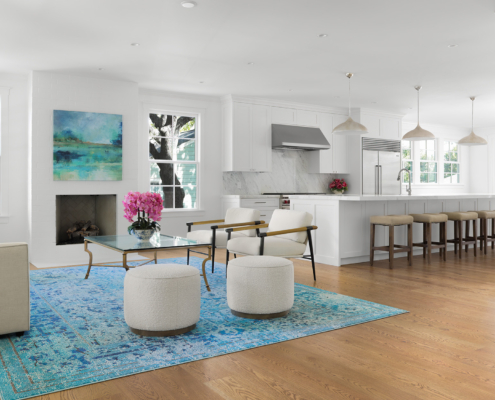
It’s no surprise that open-concept living is still in high demand. However, the emphasis has shifted in 2025. Homeowners aren’t just knocking down walls for space; they’re doing it to increase daylight, airflow, and connectivity across rooms. We’ve seen this resonate especially in Austin remodels of mid-century ranch homes and newer infill houses, where maximizing light while respecting neighborhood scale is key.

Warm minimalism is one of the standout residential interior decor ideas this year. Think clean lines, uncluttered layouts, and a focus on texture over color. Warm woods, layered neutrals, and tactile materials create cozy yet modern environments that feel grounded and inviting. Design is trending toward the imperfect, too—hand-troweled plaster walls, curved furniture edges, and raw materials like stone and clay bring a more natural softness to contemporary spaces.

Interior Design Residential Priorities

Across Central Texas, homeowners are prioritizing home interior design trends that adapt to daily demands. Form is important, but function is driving decisions like never before. At Studio Steinbomer, we’ve seen firsthand how the most impactful residential projects are those built around flexibility, lifestyle, and long-term planning.

  • Dedicated WFH spaces are now baseline features. Whether it’s a closed-door office, a built-in desk near natural light, or a multifunctional room that doubles as a guest suite, homeowners expect to work comfortably and productively from home.
  • Multiple living zones are essential for modern families. From media rooms for movie nights to informal lounges for kids to spread out, separate activity hubs help create harmony in the home.
  • Aging in place has shifted from trend to best practice. We’re designing more homes with full suites on the main level, barrier-free showers, wider hallways, and discreet safety upgrades that allow residents to stay longer in the homes they love.

Whether building new or renovating, smart residential design now means anticipating needs five, ten, even twenty years down the road and shaping spaces that evolve with the people who live in them. Our recent residential projects often combine home offices, media rooms, and main-level suites to anticipate evolving needs.

Kitchens, Bathrooms, and Outdoor Living Still Lead the Way

When it comes to where people invest, some things never change. Kitchens and bathrooms remain the focal points of most renovations. In 2025, that focus is more refined than ever. Functionality, beauty, and long-term comfort are driving design decisions.In the kitchen, homeowners are embracing:

  • Smart storage and concealed appliances that support sleek, uncluttered layouts
  • Natural stone surfaces like quartzite and soapstone for both visual impact and durability
  • Custom cabinet configurations to accommodate modern cooking habits and small appliances

In bathrooms, spa-like elements are making everyday routines feel more luxurious:

  • Walk-in showers, freestanding tubs, and heated floors for comfort and style
  • Brushed or matte finishes on plumbing and hardware for a timeless, modern aesthetic
  • Double vanities and layered lighting to enhance usability for shared spaces

Outdoor living also remains high on the priority list. In Central Texas, where mild winters extend the usability of exterior spaces, homeowners are investing in:

  • Covered patios and pergolas that offer sun protection and privacy
  • Fire features such as built-in fireplaces or fire pits for cozy gatherings
  • Multi-use zones that integrate grilling, lounging, and dining into a seamless outdoor experience
  • Large retractable glass walls or breezeways that connect indoor and outdoor spaces more fluidly

Whether you’re entertaining guests or simply creating more room for daily living, these spaces continue to deliver the highest impact for overall home enjoyment.

Sustainable Materials and Fire-Safe Design

In Central Texas, the push toward sustainability is about the planet and practicality. Wildfire risks in the region have led to a strong emphasis on fire-resistant building materials. Austin homeowners are looking for durable, non-combustible options that align with the city’s Wildland-Urban Interface Code.

Expect to see more use of:

  • Fiber cement siding
  • Metal roofing
  • Stone or brick exteriors
  • Locally sourced, eco-friendly materials indoors

For finishes, recycled materials, water-based stains, and VOC-free paints are gaining popularity. Sustainability is becoming the standard.

Whether you’re dreaming of a refreshed kitchen, a fully modern bath, or a multi-functional addition, Studio Steinbomer can help. Start planning your 2025 renovation with a team that understands both the trends and the timelines.

Explore Our Portfolio

Nature-Inspired and Earthy Color Palettes

Bold, ultra-modern colors are taking a backseat in 2025. Instead, homeowners are gravitating toward palettes inspired by Texas landscapes: warm terracottas, sage greens, dusty blues, and rich ochre tones that mirror the Hill Country’s earthy terrain and seasonal shifts. We favor palettes inspired by place: tones that feel contemporary but will endure beyond a single design season.

These grounded hues create a calm, organic backdrop that works across a variety of home styles, from contemporary new builds to renovated mid-century ranches. Homeowners are pairing these shades with natural materials like wood, clay, and limestone for a cohesive, grounded feel. Accent walls haven’t disappeared, but they’re getting a modern update—think limewash finishes, plaster treatments, and vertical wood slat installations that emphasize texture over contrast.

Color is also showing up in more unexpected places: muted cabinet tones, clay-colored tile, bold patterned textiles, or statement-making backsplashes that add energy without overwhelming a space.

Tech-Integrated Interiors

Smart technology has matured into the background of residential design. In 2025, the best home tech isn’t flashy—it’s seamless and supportive of how people actually live. That means intuitive systems that respond to your lifestyle and disappear when not in use. Consider:

  • Smart lighting systems that adjust to daylight or activity
  • Hidden charging stations and integrated power in furniture
  • Climate controls that adapt to zones within the home
  • Voice-activated appliances that streamline everyday tasks
  • Home security features integrated into entry points and windows
  • Circadian lighting setups that promote restful sleep and energy throughout the day
  • Air quality monitoring systems that support long-term wellness

Integrated systems are especially popular in media rooms, kitchens, and primary bedrooms. The overall goal is simplicity, not spectacle. In Austin homes, where modern meets laid-back comfort, this kind of tech integration is becoming a quiet luxury that homeowners rely on.

Why Fall Is the Best Time to Start Designing

While design trends are exciting, timelines matter just as much. Fall is one of the best times to begin the renovation planning process in Texas for a few key reasons:

  • Design work can be completed before the holiday season
  • Contractors tend to be more available after the new year
  • Planning ahead helps navigate economic uncertainty with fewer surprises

Homeowners should remember that renovation is a multi-phase process that takes time, coordination, and forethought. From space planning and budgeting to material lead times and permitting, starting now ensures a smoother experience down the line. Starting the design conversation in fall allows us to guide clients through programming and feasibility before construction season ramps up.

Design With Studio Steinbomer to Bring Your Inspiration to Life

Studio Steinbomer believes great design happens at the intersection of style, functionality, and foresight. Our residential interior work is rooted in local knowledge—from wildfire-resistant materials to design strategies that make sense for Central Texas living.

We work closely with homeowners to:

  • Interpret emerging home interior design trends in 2025 for their unique space
  • Deliver residential interior decor ideas that reflect both personal taste and practical needs
  • Balance timelines, budgets, and aesthetics with expertise and care

If you’re planning a renovation or new build in Austin or the surrounding areas, let’s create something that feels fresh, personal, and built to last.

Get in touch with Studio Steinbomer today to start designing a home that reflects what matters most in 2025 and beyond.

Share This Post

  • Share on Facebook
  • Share on X
  • Share on Pinterest
  • Share on LinkedIn
  • Share on Tumblr
  • Share on Vk
  • Share on Reddit
  • Share by Mail

More Like This

Understanding the Differences Between Commercial vs. Residential Architecture img

Understanding the Differences Between Commercial vs. Residential Architecture

Commercial Architecture, Residential Architecture

Commercial Renovation Tips for When It’s Time for a Change

Commercial Architecture, Interior Designs

Considerations for Planning the Perfect ADU Design

Interior Designs, Residential Architecture

Accessory Dwelling Units: A Comprehensive Breakdown

Interior Designs, Residential Architecture
House with pool

Breaking Down the New HOME Initiative for Austin Homes

Residential Architecture

Getting the Best From Your Residential Interior Design Consultation

Interior Designs, Residential Architecture

What Is Interior Design and Why Does It Matter?

Interior Designs
Interior of a modern kitchen

Tips for How to Choose an Interior Designer in Austin, TX

Interior Designs, Residential Architecture
Front view of coworking space

Cost-Effective Commercial Interior Design Trends to Consider

Commercial Architecture, Interior Designs
Previous Previous Previous Next Next Next

Categories

  • Commercial Architecture
  • Interior Designs
  • Residential Architecture
  • Space Planning

Contact Us

"*" indicates required fields

Location

Address
4303 Medical Parkway
Austin, TX 78756

Get In Touch

Phone
(512) 479-0022

Email
info@steinbomer.com

Services

Commercial Process

Residential Process

Interior Process

About Us

Studio Steinbomer Architecture & Interiors delivers context-driven design solutions to residents and professionals. We use our collective wisdom, creativity, and keen eye for detail to create transformative spaces representing your vision.

Learn More
Website by Abstrakt Marketing Group ©
  • Link to Facebook
  • Link to LinkedIn
  • Link to Houzz
  • Sitemap
  • Privacy Policy
Link to: Understanding the Differences Between Commercial vs. Residential Architecture Link to: Understanding the Differences Between Commercial vs. Residential Architecture Understanding the Differences Between Commercial vs. Residential Architectu...Understanding the Differences Between Commercial vs. Residential Architecture img
Scroll to top Scroll to top Scroll to top

This site uses cookies. By continuing to browse the site, you are agreeing to our use of cookies.

AcceptLearn more

Cookie and Privacy Settings


How we use cookies

We may request cookies to be set on your device. We use cookies to let us know when you visit our websites, how you interact with us, to enrich your user experience, and to customize your relationship with our website.

Click on the different category headings to find out more. You can also change some of your preferences. Note that blocking some types of cookies may impact your experience on our websites and the services we are able to offer.

Essential Website Cookies

These cookies are strictly necessary to provide you with services available through our website and to use some of its features.

Because these cookies are strictly necessary to deliver the website, refusing them will have impact how our site functions. You always can block or delete cookies by changing your browser settings and force blocking all cookies on this website. But this will always prompt you to accept/refuse cookies when revisiting our site.

We fully respect if you want to refuse cookies but to avoid asking you again and again kindly allow us to store a cookie for that. You are free to opt out any time or opt in for other cookies to get a better experience. If you refuse cookies we will remove all set cookies in our domain.

We provide you with a list of stored cookies on your computer in our domain so you can check what we stored. Due to security reasons we are not able to show or modify cookies from other domains. You can check these in your browser security settings.

Other external services

We also use different external services like Google Webfonts, Google Maps, and external Video providers. Since these providers may collect personal data like your IP address we allow you to block them here. Please be aware that this might heavily reduce the functionality and appearance of our site. Changes will take effect once you reload the page.

Google Webfont Settings:

Google Map Settings:

Google reCaptcha Settings:

Vimeo and Youtube video embeds:

Accept settingsHide notification only

Contact Our Firm

"*" indicates required fields

Max. file size: 50 MB.